
Contact

Program
Check out the conference schedule
June 9 – program
June 10 – program
June 11 – program
Our Team
Meet the organizing team

Patty Legler

Eric Wedge

Mary Clark
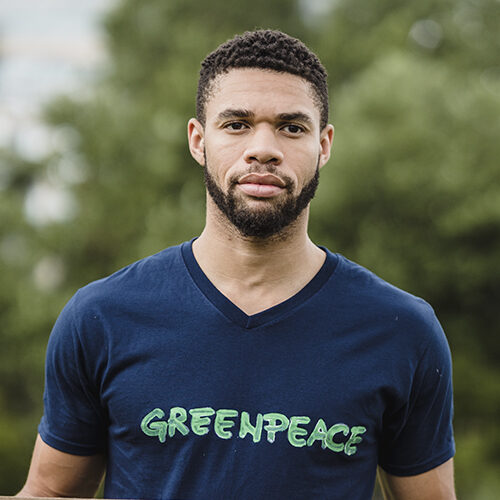
Scott Martin
Testimonials
Recognized and trusted by the best
Keep2Share is an Infrastructure-as-a-Service (IaaS) provider for environmental impact projects offering dedicated servers, CDN, cloud hosting and hybrid cloud on a global network.
Our Workday HCM training programme is created to give students thorough teaching with an emphasis on applying essential ideas in real-world situations.
Welcome to Virginia Beach Landfill! Our state-of-the-art facility offers efficient and eco-friendly waste management services to the local community. We prioritize sustainability and customer satisfaction, providing a reliable and affordable solution to your waste disposal needs.

Who Called Me? Turn to our Complimentary UK Reverse Phone Search who-calls.me.uk for swift solutions here!
Technomeow is the website focusing on cat technologies.
BCS-Bus.com is your trusted partner for eco-friendly bus transportation. According to the latest government statistics, buses are the most sustainable mode of transport, and we're committed to minimizing our carbon footprint while providing safe and reliable services.
Featuring a separate shoe compartment, the Threo gym bag ensures a more sanitary and clutter-free storage solution for fitness enthusiasts. It allows for easy access and secures your footwear separately, minimizing potential contact with clean items and contributing to a well-organized workout routine.
Customer queue management software optimizes wait times, enhances customer satisfaction, and improves operational efficiency
Unlock the full potential of your marketing campaigns with call tracking technology.

Goldleaf Insurance provides comprehensive electric vehicle insurance in Surrey, BC, offering tailored coverage options to meet the unique needs of electric vehicle owners with exceptional service and expertise.

Good Window Works is a family-owned and operated company located in Boston. We specialize in repairing and restoring wood, vinyl, and aluminum windows and doors with double-glazed insulated glass units.
We pride our company on reliability, great communication, integrity, and quality work. We are experts in our trade and will do our best to keep you as educated as possible on your particular task or project.

FundWeb, an equity release finance portal based in the UK, specializes in equity release and lifetime mortgages, striving to simplify and alleviate the complexities of retirement planning.
Noblie Custom Knives offers an exclusive collection of handcrafted knives, ideal for collectors and connoisseurs seeking unique, artisanal pieces. Emphasizing eco-friendly practices, each knife is meticulously created without industrial equipment and delivered in recyclable packaging, reflecting a commitment to nature.

The best call tracking software helps businesses make more informed decisions about customer service. It allows them to record URLs, track customer phone numbers, and even compare call volume over time. This data can be used for detailed analytics and reporting to derive insights, making it a powerful tool to help increase customer satisfaction and improve sales.

Patricia Dalton

Hugh Baker

Robert Scheel
Contact
Conference registration form
Blog
Read useful articles
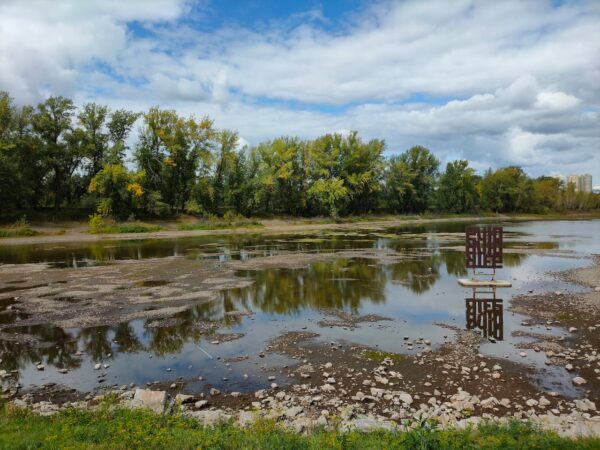
Common Challenges in Oil Tank Removal and How to Overcome Them
Residential areas around the world, including those in Vancouver, are dotted with properties harboring buried oil tanks, remnants of an...

EIA in a Changing Climate: Assessing the Impact of Global Warming on Development Projects
Welcome to an exploration of the dynamic and ever-evolving world of Environmental Impact Assessment (EIA) as it intersects with the...

Introduction of Environmental Standards in Knife Making: A Cut Above the Rest
In the modern era, the blend of art, craftsmanship, and technology is truly mesmerizing. From hand-forged blades of ancient times...